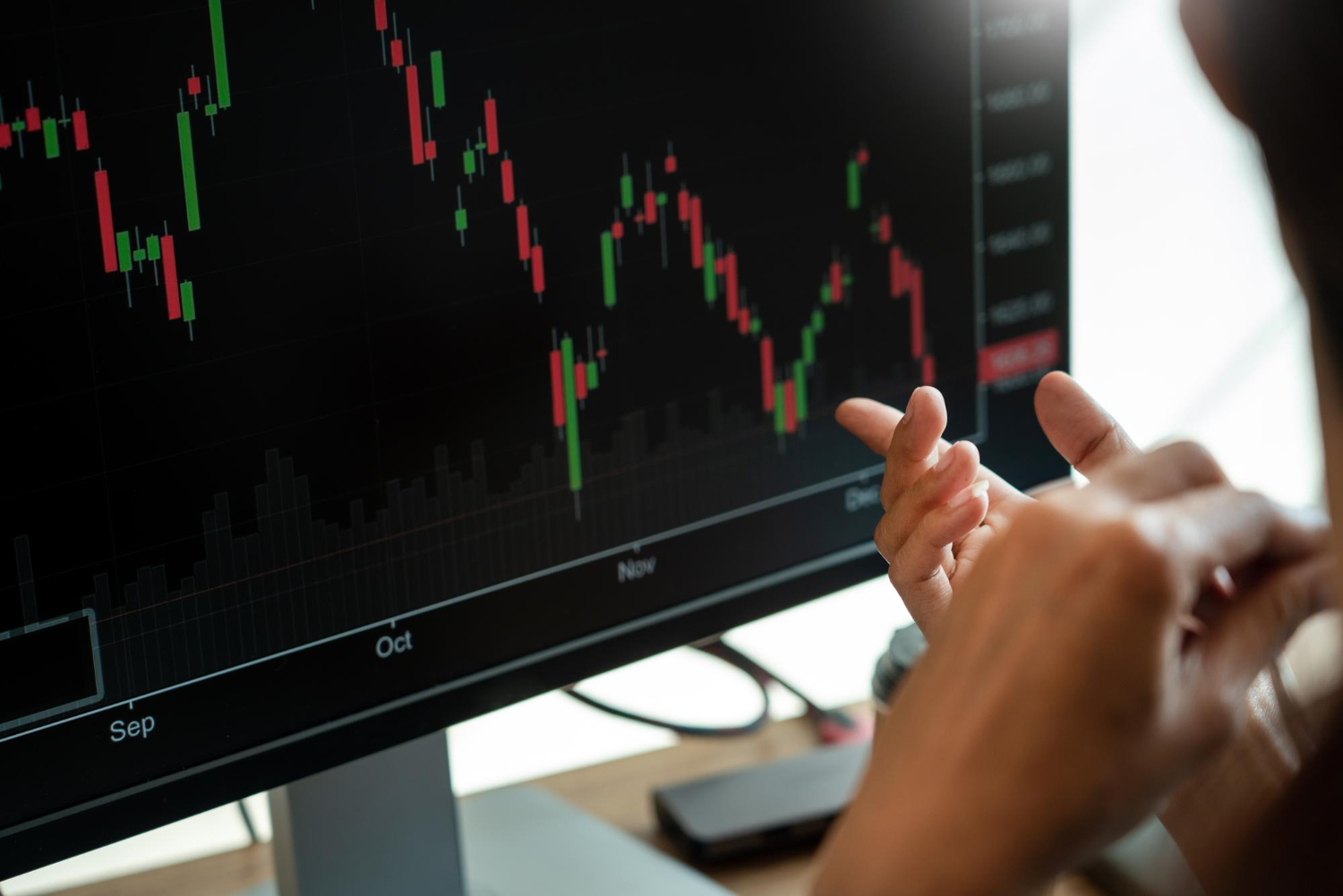


Navigating the world of trading can be a complex endeavor, particularly when it comes to selecting the appropriate broker in South Africa. A trading broker plays a vital role in facilitating one’s investment journey, making it essential to make an informed choice. This article will examine the definition of a trading broker, the distinct advantages of selecting one in South Africa, and the key factors to consider during the selection process. From regulatory compliance to trading platforms and customer support, this guide will outline the essential steps necessary for ensuring a successful trading experience. Furthermore, it will provide valuable insights to assist in the effective evaluation and comparison of different brokers.
Understanding Trading Brokers in South Africa
In the dynamic realm of online trading, a comprehensive understanding of trading brokers in South Africa is essential for both novice investors and seasoned traders. A trading broker functions as a critical intermediary within the financial markets, facilitating access to a diverse array of trading instruments, including forex, stocks, commodities, and CFDs.
The selection of a reliable broker is essential for the attainment of investment objectives, as their offerings can significantly impact the overall trading experience.
Key considerations in this selection process encompass the broker’s reputation, regulatory compliance, and the availability of trading platforms that align with specific trading strategies. Furthermore, an analysis of user reviews can yield valuable insights into client support, security measures, and other pertinent factors that should be evaluated when choosing a trading partner.
What is a Trading Broker?
A trading broker is an entity that facilitates the buying and selling of financial instruments on behalf of clients, playing a critical role in the online trading ecosystem.
These brokers serve as intermediaries, providing access to various markets, including stocks, commodities, and currencies, which are essential for traders seeking to diversify their investment portfolios.
They can be categorized into different types, primarily market makers and Electronic Communication Network (ECN) brokers, each possessing unique functions and operational mechanisms.
Market makers typically maintain a consistent inventory of assets to ensure liquidity, whereas ECN brokers connect traders directly to other market participants, allowing for more competitive pricing and tighter spreads.
The effectiveness of the trading experience is heavily contingent upon the reliability of the technology and services provided by brokers, making it imperative for traders to select one that prioritizes seamless execution and robust client support.
Why Choose a Broker in South Africa?
Selecting a broker in South Africa presents distinct advantages, given the country’s specific trading regulations and the diverse financial markets accessible to investors.
Navigating the local regulatory environment is essential, as adherence to the Financial Sector Conduct Authority (FSB) not only protects client interests but also fosters ethical trading practices.
Traders can take advantage of a wide range of investment options, including equities, commodities, and forex, thereby enhancing their capacity to diversify their portfolios.
A comprehensive understanding of local market dynamics enables traders to develop effective strategies that leverage regional trends. This local insight significantly enhances decision-making processes, resulting in a more informed trading experience with the potential for increased profitability.
Key Considerations in Choosing a Reliable Trading Broker
When selecting a reliable trading broker, several key considerations can significantly influence trading success and overall experience. The regulatory status of the broker is paramount, as it ensures compliance with financial regulations and protects traders’ interests.
Additionally, the quality of the trading platforms is crucial; these platforms should be user-friendly and equipped with essential trading tools to facilitate effective trading.
It is also essential to evaluate the fees and commissions imposed by the broker, as these can directly affect overall profitability. Customer support represents another critical factor; access to timely and efficient assistance can greatly enhance the trading experience.
Furthermore, the implementation of robust security measures and the broker’s reputation within the trading community are vital considerations that contribute to a trustworthy trading environment.
Licensing and Regulation
Licensing and regulation are essential components that establish a credible broker in South Africa, ensuring adherence to industry standards and legal requirements.
The Financial Services Board (FSB) plays a pivotal role in this framework by supervising the activities of brokers and enforcing compliance with stringent regulations designed to protect investor interests.
By maintaining a vigilant regulatory environment, the FSB ensures that client funds are managed with the highest degree of care, thereby mitigating the risks of fraud and mismanagement.
Compliance with these regulations transcends mere legality; it demonstrates a broker’s commitment to integrity and transparency, which are critical for cultivating trust with clients.
As a result, adherence to FSB standards considerably influences the overall trading environment, promoting a sense of security for all market participants.
Trading Platform and Tools
The selection of a trading platform and the tools offered by a broker can significantly impact a trader’s decision-making process and overall trading experience.
An optimal trading platform should be intuitive, facilitating seamless navigation for users, while also providing robust features that support advanced trading strategies. Key factors such as the responsiveness of the user interface and the capability to access trading functionalities on mobile devices are essential.
Traders greatly benefit from having access to real-time analytics, comprehensive market research, and reliable trading signals, as these resources enhance their ability to make informed decisions.
Moreover, a well-designed platform can streamline the management of trades and performance tracking, allowing traders to concentrate on refining their strategies effectively.
Customer Support and Education
Effective customer support and comprehensive educational resources are critical components that can significantly enhance a trader’s experience with their selected broker.
It is not merely about having personnel available to answer inquiries; responsive customer support can prove to be invaluable when immediate assistance is necessary to resolve issues or provide clarification. Traders frequently encounter complex situations where timely guidance can help mitigate potential losses or improve decision-making.
The availability of educational tools, such as webinars, tutorials, and trading seminars, equips traders with the essential knowledge and skills required for success in the financial markets. These resources not only give the power to traders to gain a better understanding of market dynamics but also enable them to develop strategies tailored to their individual investment objectives.
Commission and Fees
Understanding the commission structure and fees associated with trading is essential for managing trading costs and maximizing profitability. Such fees can significantly impact returns, making it imperative for traders to become familiar with the various charges imposed by brokers.
These charges may include:
- Spreads, which represent the difference between buying and selling prices
- Commissions charged per trade
- Withdrawal fees that can diminish profits when transferring funds out
Transparency in fee structures is crucial, as it enables traders to make informed decisions and avoid unexpected costs.
When comparing different brokers, it is important to consider not only the nominal fees but also the overall trading costs, ensuring that one achieves a balance between competitive pricing and the quality of service provided.
Tips for Evaluating and Comparing Brokers
In the process of evaluating and comparing brokers, traders may utilize several effective strategies to ensure they make well-informed decisions that are consistent with their trading objectives.
Researching Reputation and Reviews
Researching a broker’s reputation and reviewing user feedback are critical steps in identifying reliable trading partners within the trading community.
In the intricate realm of trading, access to online reviews and client testimonials can significantly impact the decision-making process. These reviews, typically available on independent platforms, allow traders to assess the quality of service and reliability offered by various brokers.
By analyzing the experiences shared by others, prospective clients can gain valuable insights into essential factors such as customer support, transaction efficiency, and overall satisfaction.
This aggregate feedback not only provides a clearer understanding of what to expect but also promotes trust and accountability within the trading environment, underscoring the necessity of making informed choices.
Requesting Demo Accounts
Requesting demo accounts offers traders a valuable opportunity to assess a broker’s services and trading platforms prior to committing real capital.
These accounts enable traders to practice various strategies within a risk-free environment, which is crucial for skill development. By utilizing these accounts, traders can become acquainted with the broker’s interface, ensuring they can navigate the platform seamlessly when engaging in real-money transactions.
Demo accounts typically provide a range of tools and features that traders should explore, facilitating a deeper understanding of how to effectively leverage these resources.
Given the significant financial implications associated with trading, it is prudent for individuals considering entry into the market to take advantage of this option when evaluating prospective brokers.
Asking for Recommendations
Soliciting recommendations from experienced traders and the broader trading community can significantly improve the likelihood of selecting a reliable broker.
Insights and personal experiences shared by peers provide valuable perspectives that may not be available through standard reviews or advertisements. Engaging with fellow traders across various platforms, such as forums, social media groups, and networking events, allows individuals to access a wealth of knowledge.
Through these interactions, traders can uncover the advantages and disadvantages of different brokers while gaining a more comprehensive understanding of the trading landscape as a whole. By considering diverse opinions and firsthand testimonials, traders are better equipped to make informed decisions that align with their specific trading objectives and risk tolerance.